Okay, so check this out—I’ve been juggling wallets for years now. Wow! At first it was clunky. Then things got better. But somethin’ always felt off about the UX or the security trade-offs. My instinct said: there has to be a middle ground between convenience and control. Seriously?
Here’s the thing. Quick access to DeFi from your browser is addicting. Shortcuts, one-click swaps, and dapps that just work — it’s a different vibe. But convenience without guardrails is dangerous. Hmm… I got burned (small amount) once because I didn’t double-check a contract approval. That stung. So I started looking for a wallet extension that felt deliberate, not flashy; a tool that nudged me toward safer behavior without getting in the way.
Initially I thought all browser wallets were about the same, just skins on the same engine. Actually, wait—let me rephrase that: many wallets do the same things, but their choices about defaults and micro-interactions make a huge difference. On one hand, MetaMask is everywhere. On the other hand, some newer wallets try to shoehorn better security models and UX patterns into the extension format, and Rabby is one of those that kept popping up in conversations and dev notes.
My hands-on take on rabby wallet
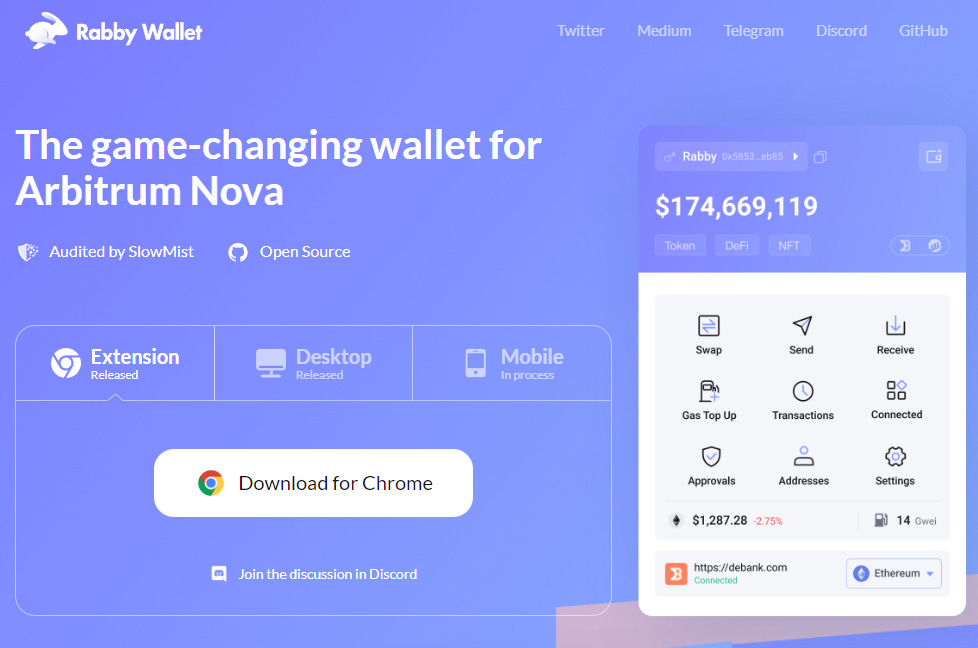
I downloaded and tried it (yes, that link is where I got it). rabby wallet felt like a thoughtful balance. Whoa! The transaction manager made allowances for reviewing contract calls, and the interface nudged me to think before approving tokens. The UI gives you context, which for me matters more than flashy art. I’m biased, but I prefer tools that respect friction — not remove it completely.
Rabby’s strengths show up in three areas: permission management, transaction batching and gas control. Short sentence. The permission manager separates allowances so you don’t have to constantly micromanage ERC-20 approvals, which reduces accidental approvals. The gas controls are granular, letting power users optimize fees while giving simpler presets for casual users. And when you combine those with a clean account view, you stop feeling overwhelmed by the the noise.
On the flip side, nothing is perfect. There are edge cases — plugins, exotic dapps, and certain multisig workflows that still prefer a dedicated wallet bridge. Also, I’m not 100% sure how every compliance-minded dapp will respond to certain extension behaviors, so test before moving large amounts. Oh, and by the way… sometimes updates change a button location, and that trips me up. Human error. Very very human.
Security-wise, the extension model always carries some baseline risks — browser exploits, malicious extensions, and phishing. Rabby mitigates many common vectors. For example, it surfaces when a dapp requests an allowance greater than a threshold, and it groups similar permissions. But it can’t protect your seed phrase after you type it into a compromised machine. So the basic rules still stand: seed offline, use hardware for large balances, and double-check URLs and contract addresses. My gut said the extra permission visibility made a real difference in practicing safer habits.
There are also nice power-user touches. The transaction history is more digestible than in some competitors. You can pre-sign and reorder transactions sometimes (handy). And their multi-account support means I can keep a hot account for small trades and a cooler account for larger holdings — without losing sight of my total exposure. That split mindset helps me sleep better at night. Seriously.
Let me walk you through a practical scenario. Imagine you’re interacting with a yield aggregator that requires several approvals. Many wallets present a chain of modal dialogs with a single “confirm” rhythm that trains you to click. Rabby instead surfaces detailed approval scopes and shows you the token flow. That nudges you to pause. Initially I just clicked through like everyone else, but after seeing the clearer breakdown I started revoking allowances more often. Little wins add up. On one hand you lose a second or two of convenience, though actually you gain safety, which matters.
Practical tips if you try it: set up a small test account with minimal funds and use it after installing the extension. Verify the extension ID when installing (yes, that’s a tiny extra step that pays off). Pair Rabby with a hardware wallet for your main account — it supports common devices — and use the extension for signing smaller, day-to-day interactions. Keep a list of approved contracts you interact with regularly, and consider a periodic cleanup routine to revoke stale approvals. These habits became part of my routine because the interface made them easy to adopt.
One detail that bugs me: mobile dapp/browser parity. Browser extensions are inherently desktop-first. There are workarounds (wallet connect, companion apps), but the the flows aren’t as seamless as native mobile wallets. If you live in your phone, expect an extra step or two. Still, if your primary DeFi interactions are on desktop, the extension model is incredibly productive.
When should you use Rabby and when to look elsewhere? If you value clearer permission management and a transaction-focused UX that encourages caution, Rabby is a compelling choice. If you need ultra-broad integrations with enterprise stacks or niche bridges, test compatibility first. And if you keep very large balances in a hot extension account, consider a hardware-first approach instead — no wallet extension replaces the safety of cold storage for vault-sized holdings.
FAQ
Is rabby wallet safe for everyday DeFi use?
Yes for small-to-medium daily interactions, provided you follow basic hygiene: keep your seed offline, use strong device security, and prefer hardware for large amounts. Rabby improves permission visibility which helps reduce accidental approvals, but it can’t negate a compromised OS or phishing attack.
Can I use hardware wallets with the extension?
Yes. Integrating a hardware device for signing higher-value transactions is a recommended pattern. That combo keeps convenience for low-risk actions while protecting critical approvals with a hardware-backed key.
What if a dapp doesn’t work with the extension?
Try WalletConnect where supported, or temporarily use an alternative wallet for that dapp while you verify permissions. Also report the issue; many dapps update quickly when a popular wallet surfaces compatibility problems.
Finally, if you’re like me — curious, skeptical, and a little lazy about security until something goes wrong — Rabby nudged a better practice without being preachy. My instinct said “use a hardware wallet,” but my daily reality needed a usable extension too. Rabby ended up bridging that gap. I’m still learning, and somethings I mis-click (ugh)… but the overall experience made me rethink defaults, which counts. Nighttime feels calmer now.